Two Sistersand One Remarkable Man
We are two sisters, Karen and Linda, who grew up on a dairy farm in northwest Tasmania, where hard work was simply part of everyday life. From a young age, we both had a love of beautiful spaces. We were always nesting, rearranging our bedrooms and finding ways to make the spaces around us feel special.
Every Sunday, growing up, we attended a little church at Natone, in the hills behind Burnie. There was something about the inside of that church that stayed with us. The feeling of the space, its simplicity, its quietness. Perhaps that’s where our love of old churches began. For as long as we can remember, we dreamed of one day owning one of our own.
Creativity has always been a part of who we are, a shared love that finds its expression in each of us in beautifully different ways.
For Karen, it might be seeing how a bright blue wall can come alive with just the right paint colour. For Linda, it’s finding beauty in something old and forgotten, taking a piece that has lost its value in someone else’s eyes and giving it a new purpose.
Linda has co-owned Cocoon, an interiors store in Penguin, for the past thirteen years, while Karen has always loved the process of renovating and transforming spaces. Between us, we share a love of bringing together the old and the new, and creating things from materials that already have a story to tell.
But there is another story woven into ours, one that began long before The Leaning Finch was ever imagined.
The Man Behind the Name
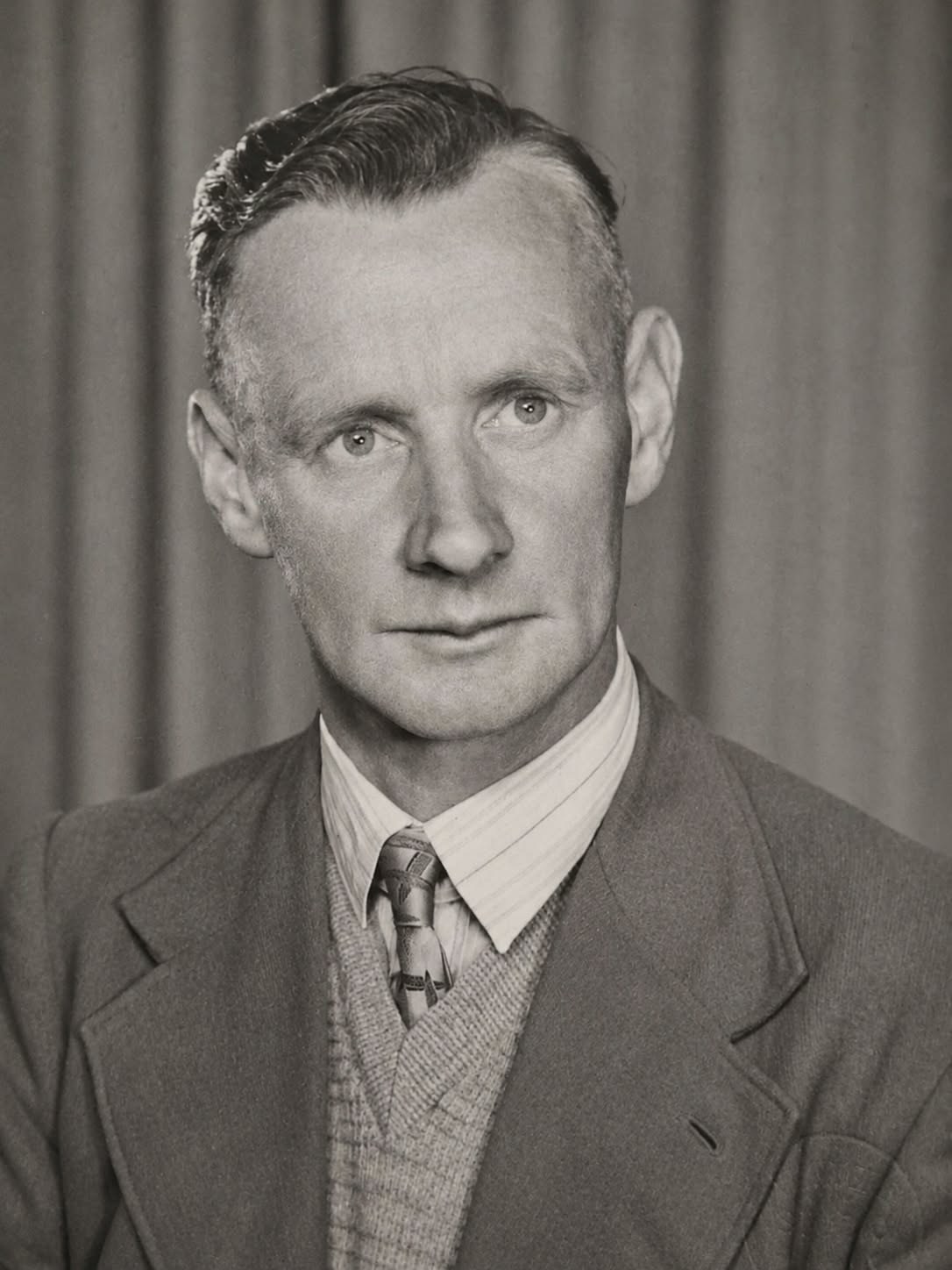
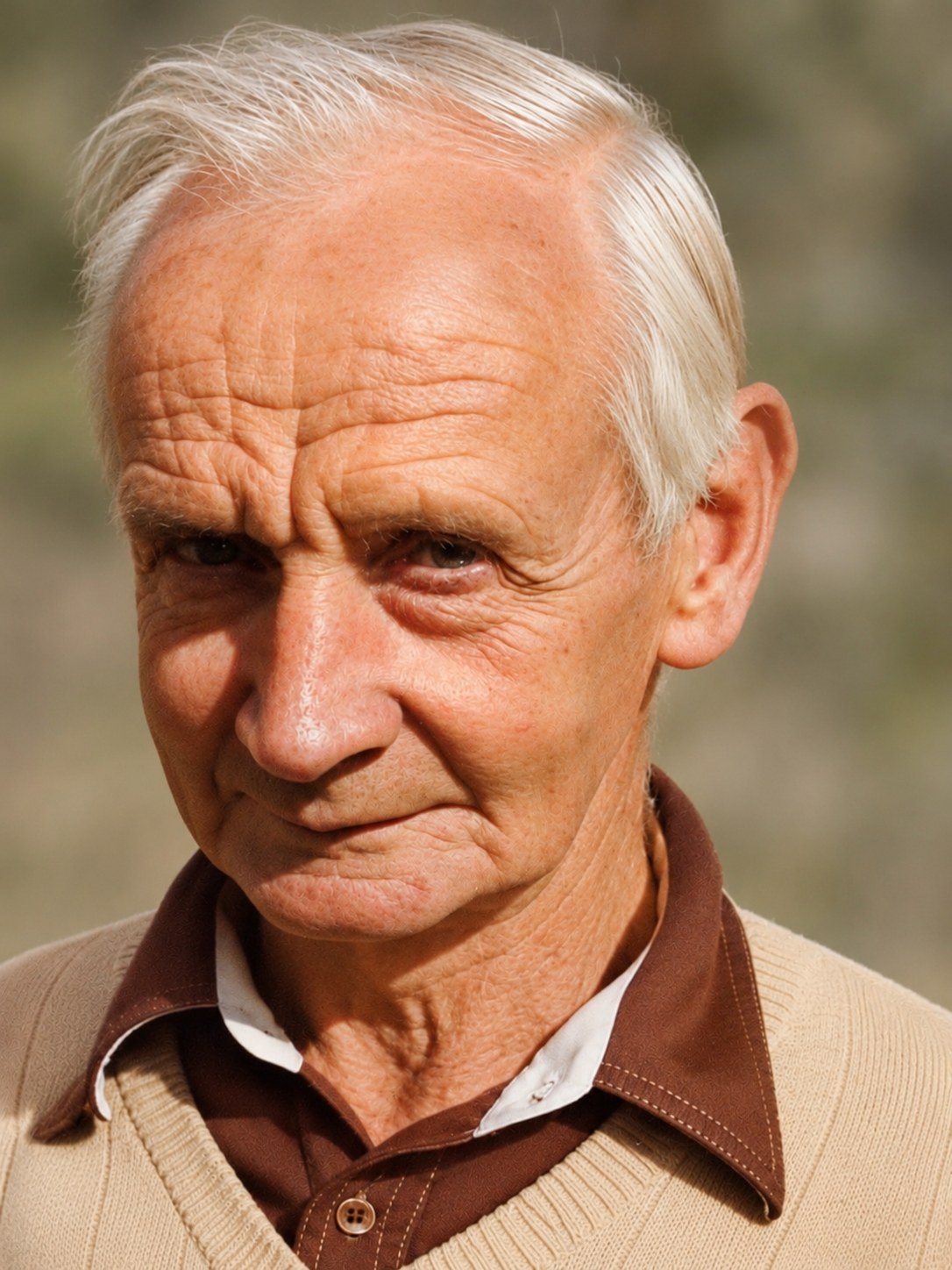
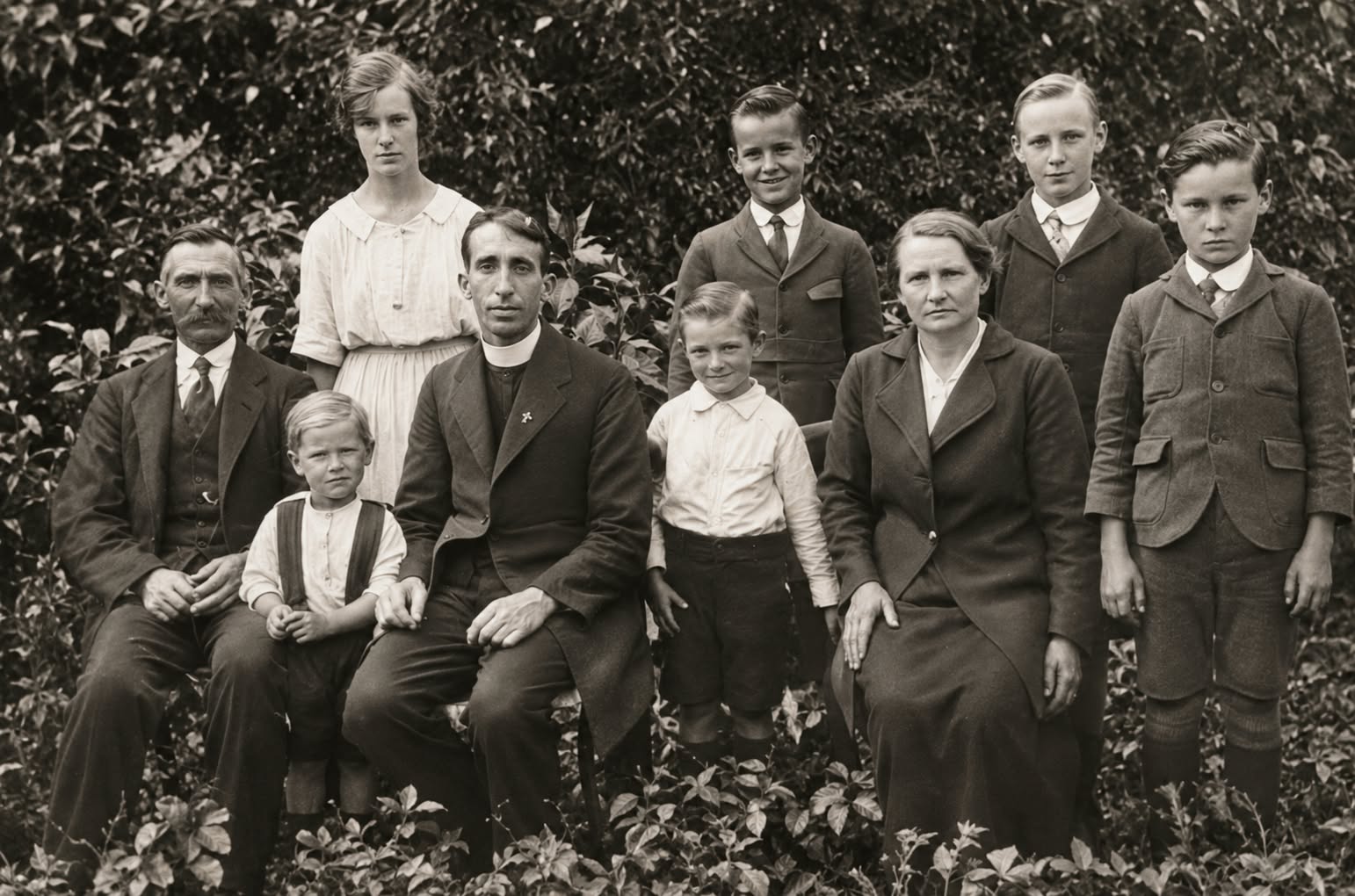
Bernard Francis Finch, affectionately known as Bern, was born in 1908 at Parkham, Tasmania. As a young boy, he travelled with his family by horse and cart to West Ridgley, a journey that took several days, carrying with them all they owned.
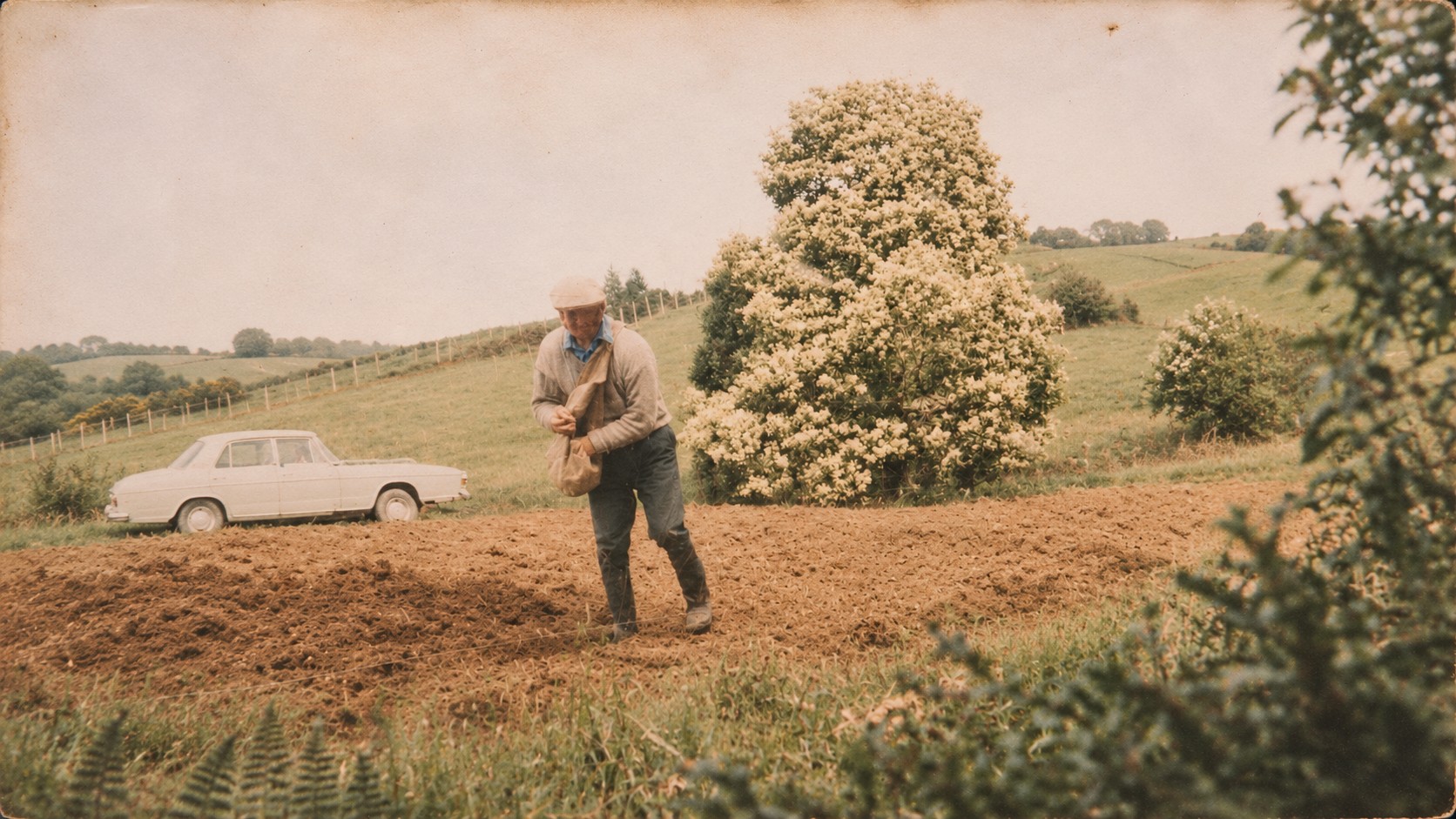
Bern owned a small farm and was a bushman, a man of remarkable kindness, humility and quiet generosity. He never married or had children, and much of his early life was spent working hard, including time at Togari earning money to help support his parents.
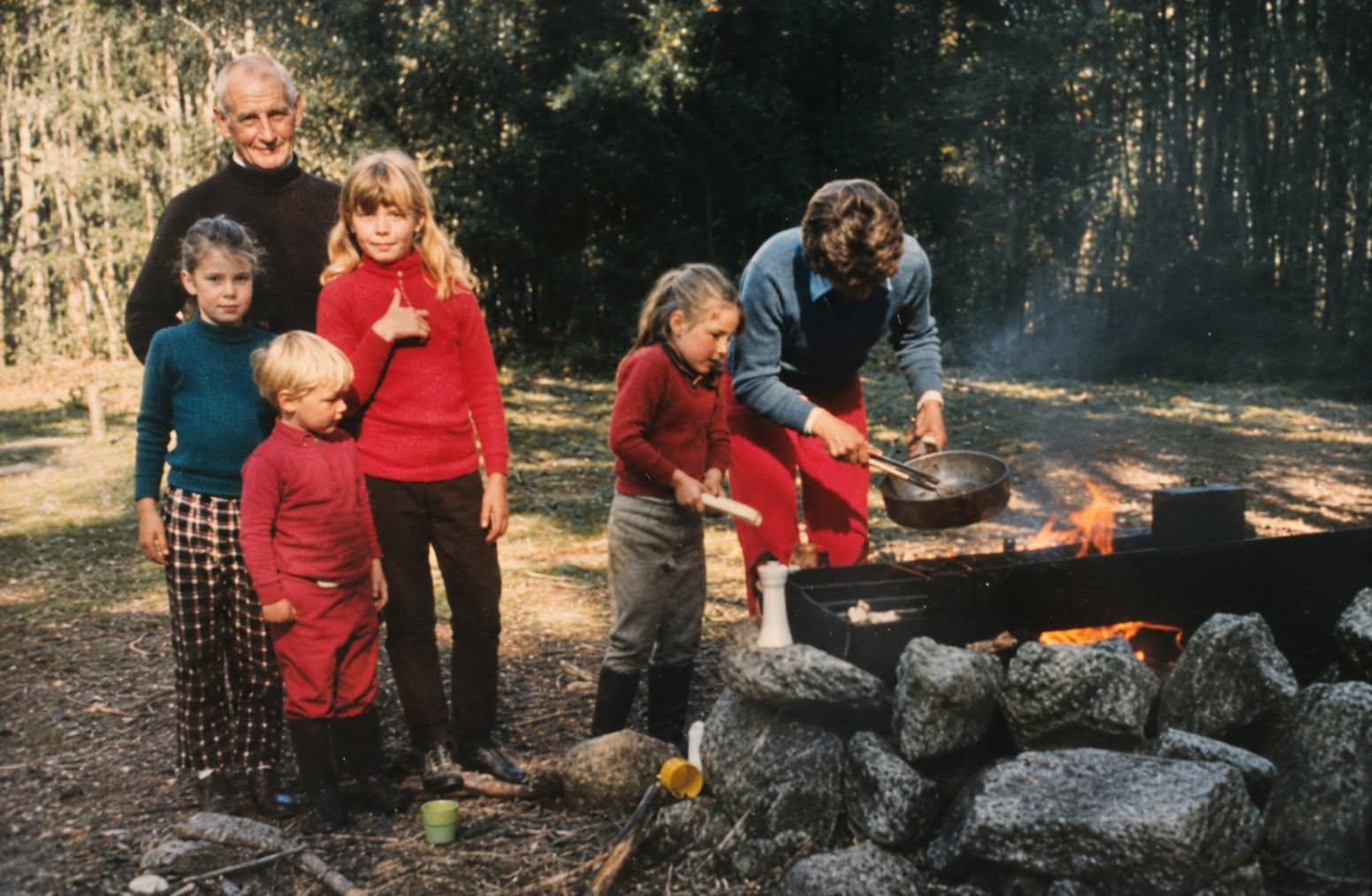
Our lives crossed when we were just seven and five years old, two little girls looking for an adventure. We had heard of a man who had moved nearby, and off we went across the paddocks, climbing through barbed wire fences, to meet him.
We could never have imagined that this small childhood adventure would lead to one of the most important relationships of our lives.
There is a vivid memory of that first visit, of Bern patiently undoing the buttons of a jacket that little cold fingers couldn’t manage, and of the warmth and safety of his home. That feeling of being welcomed, of being completely at ease in someone’s presence, has stayed deep within us.
What began as a friendship between two little girls and a shy, gentle man soon grew to embrace our entire family.
Our parents were raising four young children while running a dairy farm. Dad was also a shift worker, and Mum worked both on the farm and outside the home. Bern quietly became part of the momentum of our everyday lives. He ploughed paddocks, gathered hay, milked cows, cut thistles and picked up rocks. There was little he wouldn’t do to help. And when the day’s work was done, there was hardly an evening that didn’t find him sitting around our dinner table, not as a visitor, but as a much-loved and valued member of our family.
Looking back, we know that without him, the course of our family’s life might have been very different.
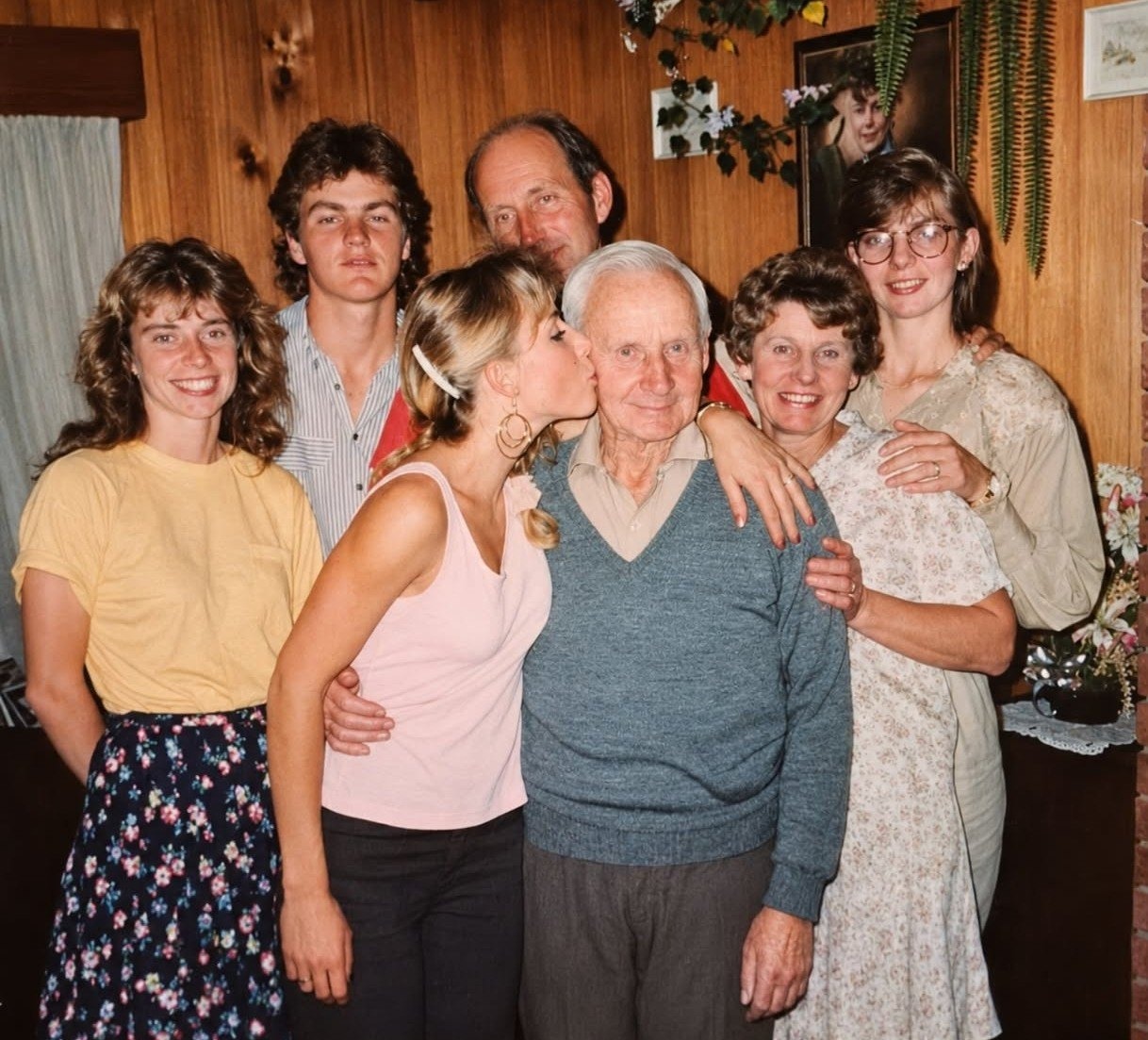
He became our friend, parent, confidant, mentor and deepest love. And somewhere along the way, we became the children he never had. He loved us with all the tenderness, devotion and unconditional love that any parent could give, and the love we held for him became one of the deepest and most enduring parts of our lives.
Our father often speaks of Bern as the greatest friend of his life, a man whose honesty, generosity and selfless love shaped the person Dad himself wanted to become. Bern had a way of giving without ever expecting anything in return. His kindness was never grand or showy. It was simply who he was.
And perhaps, without even knowing it, he taught us something that would stay with us for the rest of our lives — that the greatest things we can give another person are often not things at all, but the feeling of being welcomed, cared for and completely at home.
How The Leaning Finch Came to Be
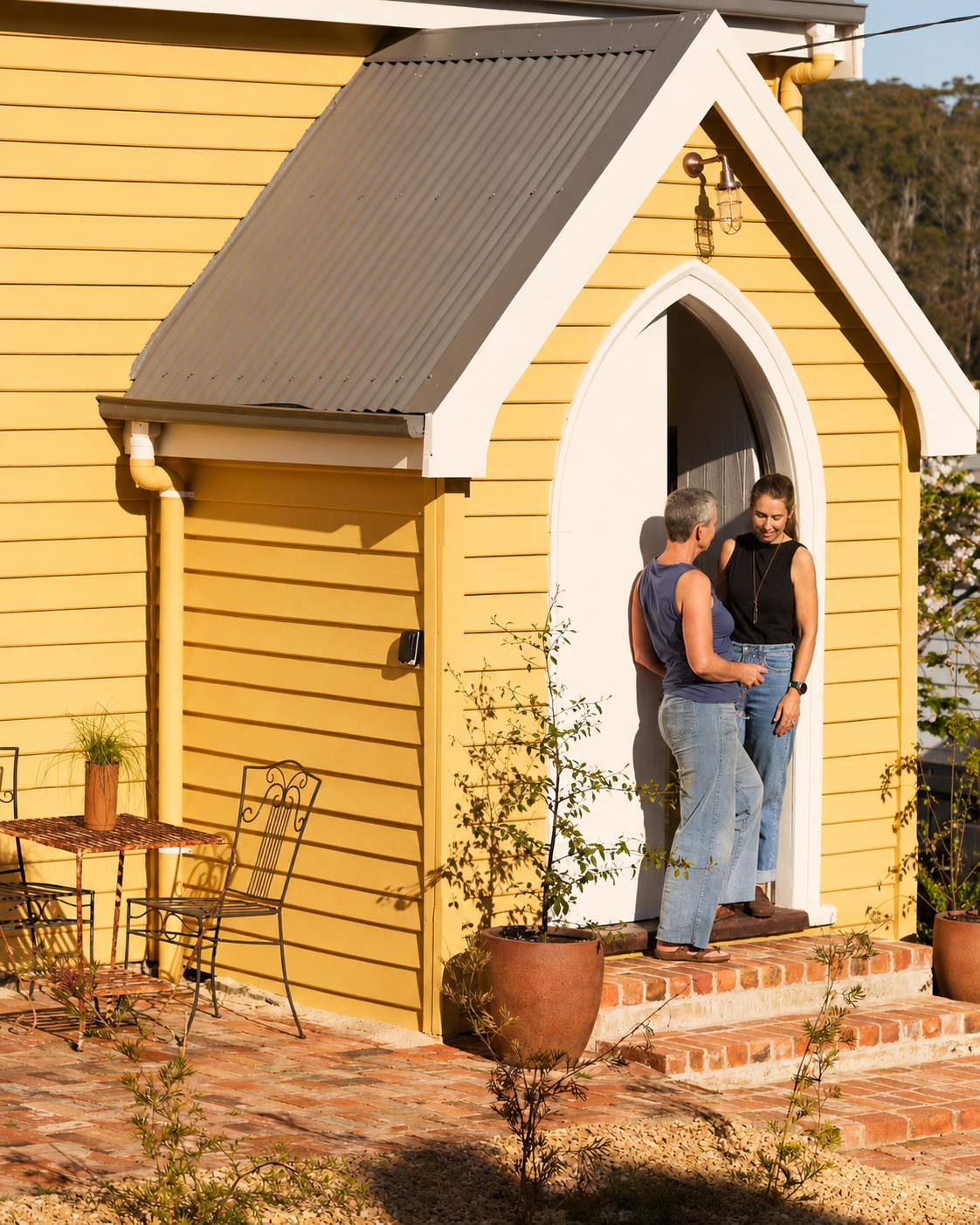
Years later, when we found this beautiful old Presbyterian church in Don, something about it felt right. We could see beyond what it was and imagine what it might become, without losing the things that made it so special in the first place. Its old walls have a gentle lean, the kind of imperfection that comes with age and a life well lived. We loved that about it. We have always been drawn to things that carry the marks of time, things that aren’t quite perfect but are all the more beautiful because of it.
And somewhere in the process of imagining a new life for this remarkable old building, the name The Leaning Finch was born. The leaning walls belonged to the church, but the Finch belonged to Bern.
It felt like a beautiful coming together of two things that had shaped our lives — our lifelong love of old churches and the memory of a man who had shown us what it meant to give so much of yourself to others.
And in that process, there was another person whose hands and heart became part of this church’s story. Karen’s son Bernard was named after Bern. He was just 20 years old when he undertook the building work that brought our vision to life. His craftsmanship, determination and extraordinary ability at such a young age have left us with something we will always be immensely proud of.
Much of what you see here is a reflection of Bernard’s work, and there is something deeply moving about knowing that this old church, a place that holds particular meaning for the three of us through our shared Christian faith, has been given new life through the hands of another generation of our family.
Over the following two years, we poured our time, energy and creativity into bringing The Leaning Finch to life. We wanted to honour the building’s history while creating a space that felt warm, thoughtful and deeply restful.
We’ve always believed that the spaces we inhabit can have a profound effect on how we feel. That a beautiful space can offer more than somewhere to stay. It can bring calm, encourage rest and, in its own quiet way, even offer healing.
The Leaning Finch is an expression of everything we have loved for as long as we can remember. Old buildings, beautiful things, the stories held within them, and the simple joy of shaping a space that touches something within us, where beauty is felt as much as it is seen, and where simply being there allows us to feel a little more settled within ourselves.
Perhaps something of Bern lives on in what we’ve created here. His kindness, generosity and the quiet way he gave so much of himself to others have left a lasting impression on our lives. In creating The Leaning Finch, we’ve wanted to carry something of that same spirit into these old walls — a place where warmth and stillness come naturally, where the simple things matter, and where even a short stay might leave a lasting impression in ways you never quite expected.